
Common Skin Conditions in Children
Rashes, bumps, and spots–these are all common skin conditions in children that you may find developing seemingly out of the blue. Parents, especially new parents, may be unaware of what to do when common skin conditions affect their children, whose skin is uniquely sensitive and vulnerable to various mild irritations, viral outbreaks, and bacterial infections.
Understanding what is normal, what can be treated at home, and when to bring your child to a pediatrician can help keep your child comfortable and put your mind at ease. Below, we break down common childhood skin conditions—including impetigo, eczema, and viral rashes—along with practical steps for care.
Impetigo
Impetigo is a highly contagious bacterial skin infection caused by Staphylococcus or Streptococcus bacteria. It commonly appears around the nose, mouth, hands, and forearms.
It is primarily spread through skin-to-skin contact or contaminated objects, such as towels, bedding, clothing or toys. It is often triggered or exacerbated by a chronic runny nose, or already irritated skin.
What It Looks Like
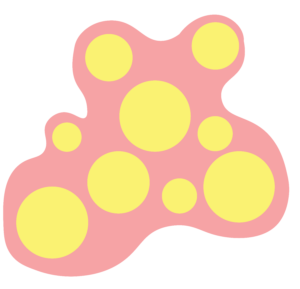
It often starts as red sores or small blisters that burst, leave yellow oozing liquid, and dry into signature honey-colored crusts.
Over-the-Counter Care
OTC ointments are generally not effective for true impetigo because it is a bacterial infection requiring prescription treatment. Keeping the area clean with gentle soap and water and preventing scratching can help avoid secondary infections while awaiting medical evaluation.
When to See a Pediatrician
Seek pediatric care promptly if you suspect impetigo. Pediatricians prescribe topical antibiotic ointments (like mupirocin) or oral antibiotics to clear the infection quickly and prevent spread to other family members or classmates.
Eczema (Atopic Dermatitis)
Eczema is a non-contagious, chronic inflammatory skin condition common in infants and young children. Flare-ups are often triggered by dry air, harsh soaps, food allergens, or environmental factors.
What It Looks Like
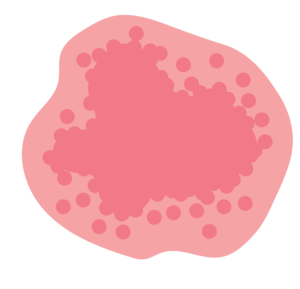
Dry, red, extremely itchy patches of skin, typically found in the creases of elbows and knees, as well as on the cheeks, neck, and wrists.
Over-the-Counter Care
Daily moisturizing with thick fragrance-free creams or ointments (such as Petroleum Jelly or CeraVe) right after bath time helps lock in moisture. Over-the-counter 1% hydrocortisone cream can soothe mild itching during minor flare-ups.
When to See a Pediatrician
Call your pediatrician if the skin becomes severely cracked, bleeds, oozes pus, or shows signs of infection (fever, spreading warmth). You should also schedule an appointment if mild OTC treatments fail to control your child’s discomfort or disrupt their sleep.
Contact Dermatitis
An allergic reaction or skin irritation caused by direct contact with a specific substance, such as poison ivy, laundry detergents, dyes, perfumes, or nickel in clothing snaps.
What It Looks Like
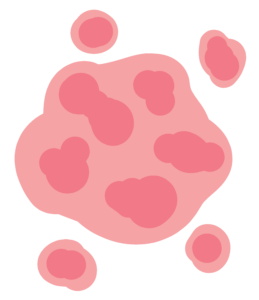
A red, itchy, localized rash that sometimes features small bumps or fluid-filled blisters directly where the irritant touched the skin.
Over-the-Counter Care
Wash the skin thoroughly with mild soap to remove remaining irritants. Apply cool compresses, OTC hydrocortisone cream (1%), or calamine lotion to relieve itching. Oral antihistamines (such as diphenhydramine or cetirizine) may help reduce severe itchiness.
When to See a Pediatrician
Seek care if the rash covers a large portion of the body, involves the eyes, face, or genitals, or shows no sign of improvement after 3–5 days of home treatment.
Viral Exanthems (Hand, Foot, and Mouth Disease & Roseola)
Widespread skin rashes caused by common childhood viral infections, such as Coxsackievirus (Hand, Foot, and Mouth Disease) or Human Herpesvirus 6 (Roseola).
What It Looks Like:
- Hand, Foot, and Mouth: Small red spots or painful blisters inside the mouth, on the palms of the hands, and on the soles of the feet.
- Roseola: High fever lasting 3–5 days, followed by a sudden pinkish-red spotty rash across the chest and stomach as the fever resolves.
Over-the-Counter Care
Because these are viral infections, antibiotics are ineffective. Manage symptoms using OTC pain/fever reducers like acetaminophen or ibuprofen (for children over 6 months). Encourage hydration with popsicles, cold liquids, or electrolyte fluids.
When to See a Pediatrician
Contact your pediatrician if your child shows signs of dehydration (no wet diapers for 6+ hours, no tears when crying), has a persistent high fever lasting more than 3 days, or appears abnormally lethargic.
Quick Care Guide
| Skin Condition | Signs & Symptoms | Over-the-Counter Care | When to Call the Pediatrician |
| Impetigo | Sores with honey-colored crusts | Wash skin with mild soap & water, clean or remove contaminated items | Always (requires prescription antibiotics) |
| Eczema | Dry, red, itchy patches in body creases | Thick fragrance-free cream, 1% hydrocortisone | Skin oozes/cracks, or OTC care doesn’t help |
| Contact Dermatitis | Localized rash, bumps, itching | Cool compresses, calamine lotion, antihistamines | Facial/genital involvement, or spreading rapidly |
| Viral Rashes | Red spots/blisters with fever history | Fever reducers, hydration support | Dehydration, fever > 3 days, excessive lethargy |
Frequently Asked Questions
How can I prevent impetigo from spreading to other family members?
Impetigo spreads easily through direct contact or shared items. Keep sores loosely covered, clip your child’s fingernails short, enforce frequent handwashing, and wash linens and towels separately in hot water.
Is eczema contagious?
No, eczema is an internal inflammatory skin condition caused by genetics and environmental factors—it cannot spread from person to person.
When can my child return to daycare or school with a skin rash?
Children with bacterial infections like impetigo can typically return 24 hours after starting appropriate antibiotic treatment, provided the sores can be covered. For viral rashes, children may return once they have been fever-free for 24 hours without medication and feel well enough to participate in daily activities.
Schedule an Appointment at Raleigh Pediatrics
If you are ever unsure about a new rash or skin irritation on your child, Raleigh Pediatrics is here to help. Contact either of our offices in Raleigh or Garner today to schedule an evaluation with a board-certified pediatrician.