
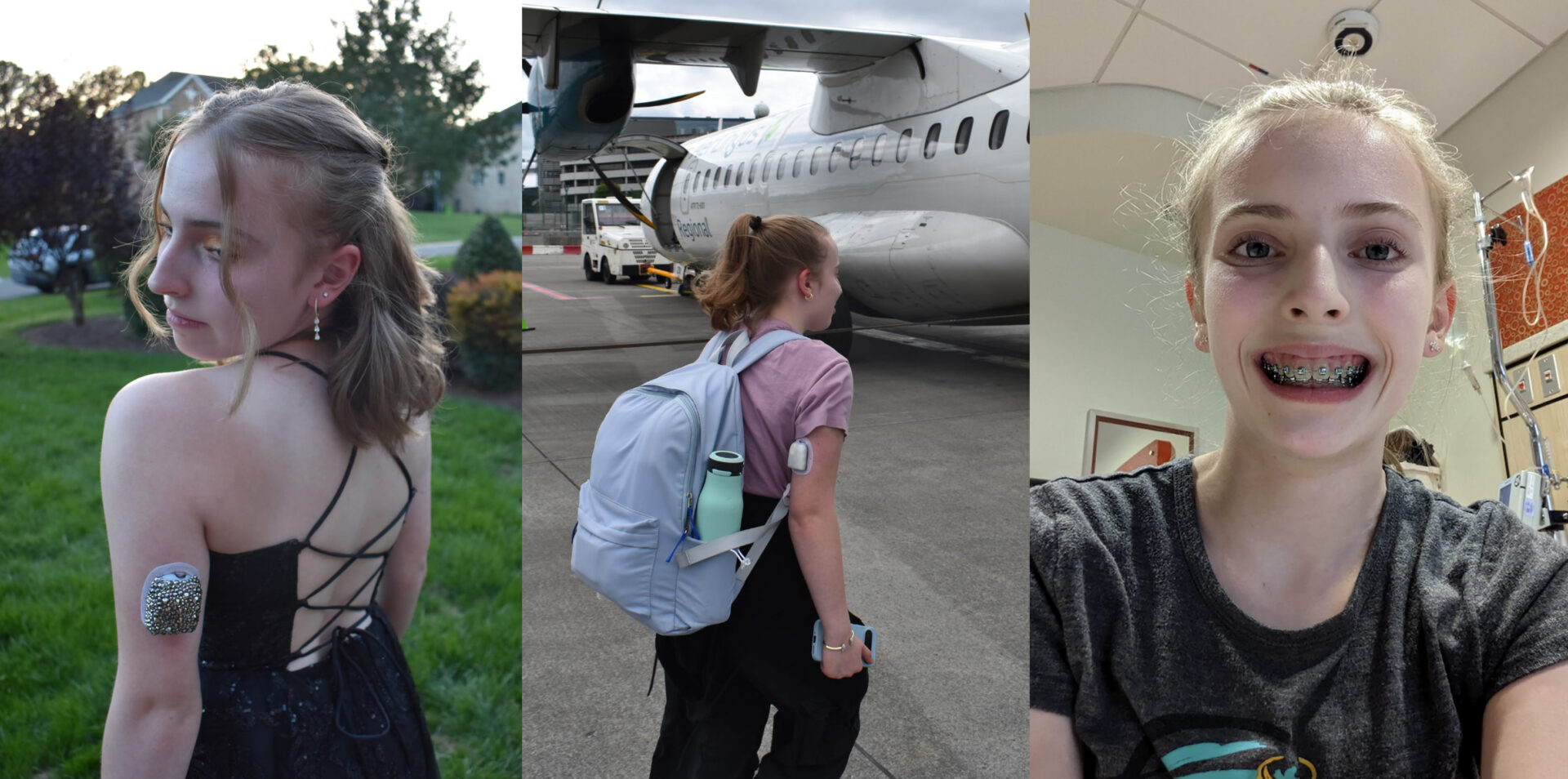
Living With Diabetes: Haley
National Diabetes Awareness Month is a time to shine a light on both Type 1 and Type 2 diabetes.
Haley, a courageous high school student and Raleigh Pediatrics patient, graciously took the time to share with us her experience with Type 1 Diabetes and advice for anyone navigating a recent diagnosis.
What went through your mind when you first received the diagnosis?
When I first received my diagnosis, I thought my life was over. I thought that all of my dreams were ruined and that I would not be able to live my life freely. I believed that I was broken and that I must have done something wrong to receive this disease. However, thanks to the support of my family and friends, I remained hopeful that I would move past this and live my life normally.
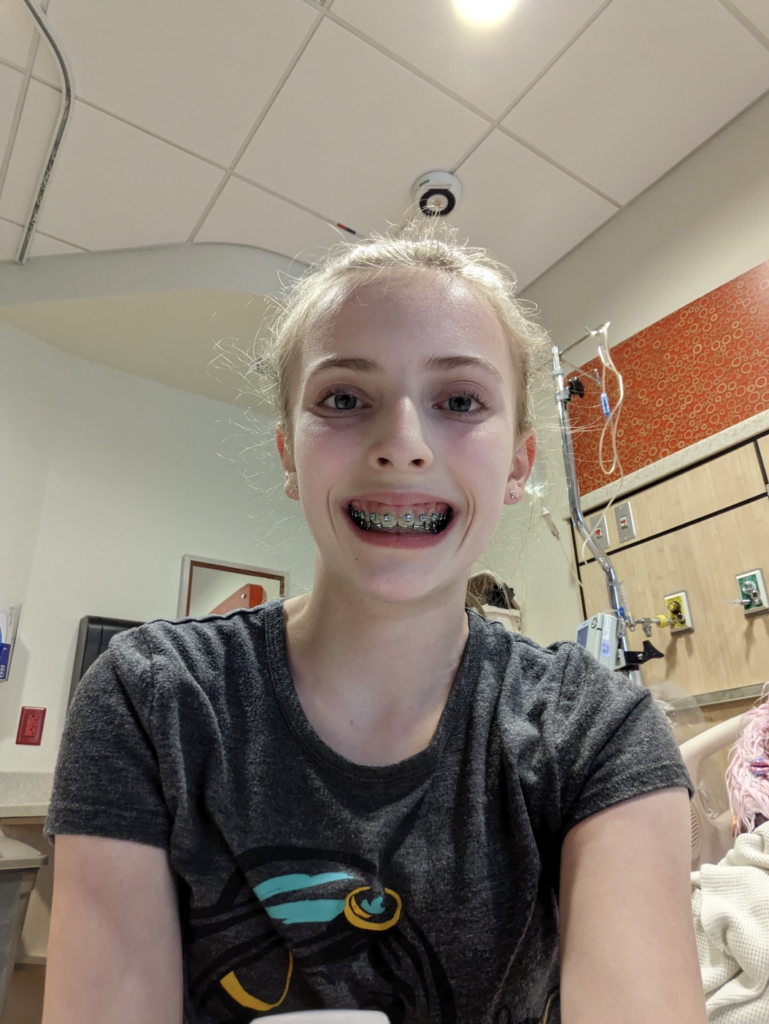
Are there any unique challenges you’ve faced that you would like to share?
A unique challenge that I faced was managing my diabetes when I was exercising. Despite how much I exercise, I always have to keep my blood sugar in mind. Any bit of exercise can drastically alter my blood sugar levels. There have been many times, whether walking or working out at my gym, when my blood sugar has dropped. In those scenarios, I had to adapt, according to my blood sugar, and potentially stop what I was doing and wait for my blood sugar to rise again.Another big challenge was dealing with my blood sugar at night. Throughout the night, my blood sugar rises and falls sporadically. This can cause me to lose sleep, as I am busy trying to regulate my blood sugar at night. This causes me to be extremely tired the next day and to have symptoms like brain fog and slower reaction times. Because of these symptoms, it can be incredibly hard to focus on my school work and to function throughout the day.

What was the biggest adjustment in your home during the first few months?
There were two big adjustments in my home in the first few months of my diagnosis. This included being more aware of how I was feeling and counting the number of carbs before I ate. Before, I would go throughout my day, not paying any attention to my health. However, after my diagnosis, I constantly had to check my blood sugar to make sure that it was in the correct range. I couldn’t simply do the things that I needed to do, without thinking of how it would affect my blood sugar.The other big challenge I faced was counting my carbs before I ate. Before I was diagnosed, I would simply eat whatever I wanted whenever I wanted. After my diagnosis, I now had to calculate the number of carbs in the food that I was eating and to give myself insulin depending on that value to keep my blood sugar from going high. This was probably the biggest adjustment, as I was so used to instantly eating rather than having to think about the effects my food would have on my blood sugar.
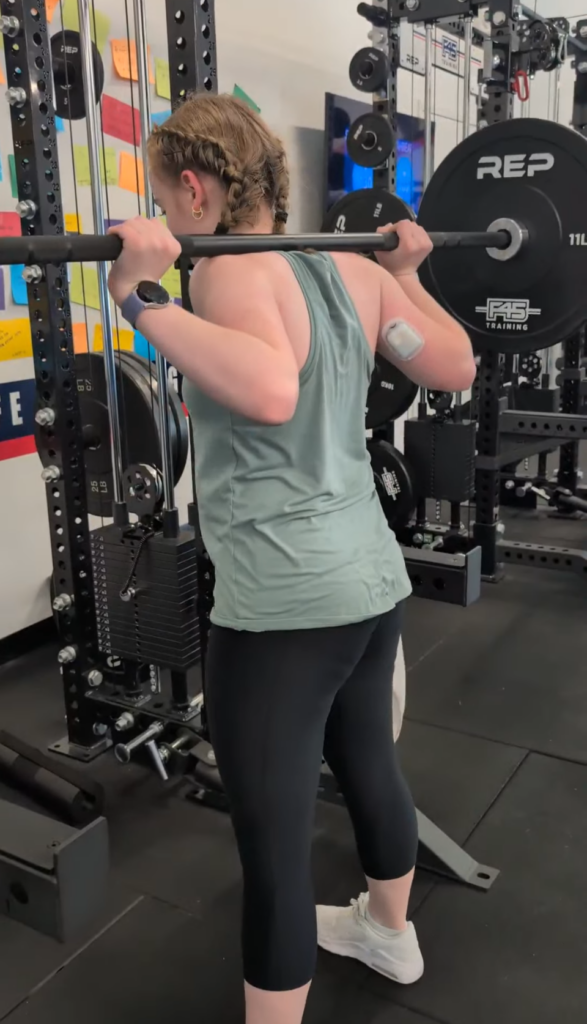
How did you navigate explaining diabetes to your teachers?
At the beginning of every year, I would inform my teachers that I was a Type 1 diabetic. I warned them beforehand that they might see me giving myself insulin or testing my blood sugar in class. Sometimes, my teachers would forget that I was diabetic, so I would remind them whenever they asked. For the most part, my school and teachers have been really understanding towards my diabetes, always making sure that I was okay.
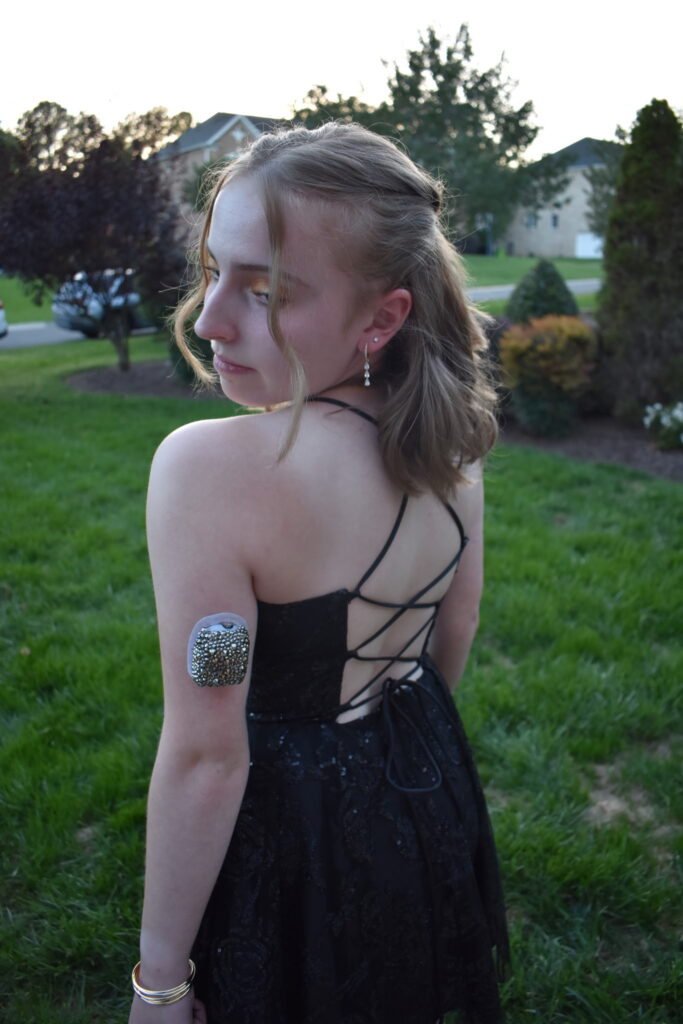
What advice would you give to someone facing a new diagnosis today?
My advice to any families facing this diagnosis would be to keep persevering and to remain hopeful. At the beginning, it can feel extremely overwhelming and confusing, but don’t give up. It takes time to figure out how to deal with diabetes, but I promise that it will get easier.
Another piece of advice that I would give is to believe in yourself. At the beginning, you may be unsure and think that you are incapable of dealing with this. However, you are much stronger than you think you are, and you must give yourself grace. Everyday won’t be perfect, but that doesn’t mean that you are failing. Diabetes is an unpredictable disease that takes tons of practice to figure out. I’ve lived with it for almost three and a half years now, and there are still days when I get frustrated and can’t figure it out. It’s okay to feel confused. It’s okay to feel scared. Just believe in yourself and know that you are doing an incredible job.