
Navigating Childhood Cancer: Facts, Support, and How You Can Help
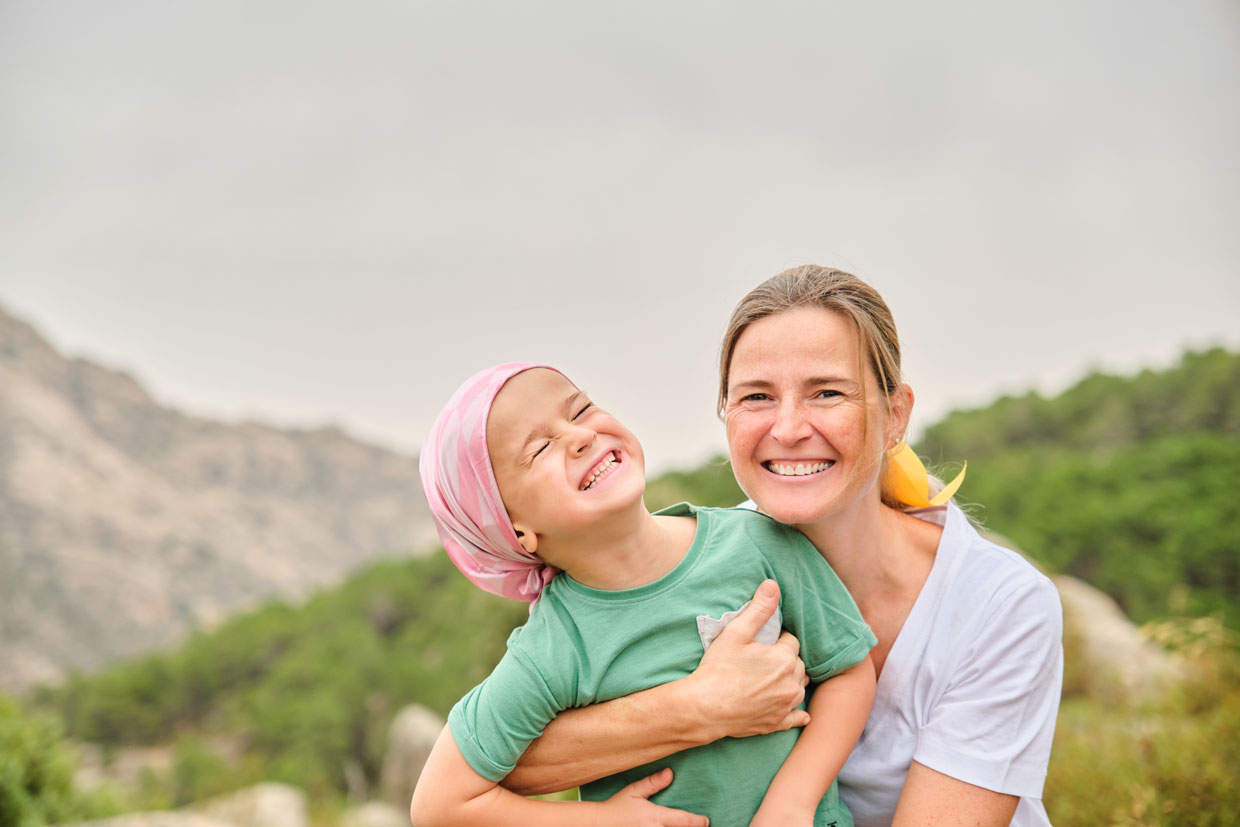
September is Childhood Cancer Awareness Month, a perfect time to honor the incredible resilience of young cancer fighters and stand in solidarity with families navigating the unimaginable.
While childhood cancer remains relatively rare, it is the leading cause of death by disease past infancy among children in the United States.
At Raleigh Pediatrics, we believe that education, early detection, and community support are our strongest tools in the fight against pediatric cancers.
What is Childhood Cancer?
When most people think of cancer, they think of adult-onset conditions related to lifestyle factors like smoking, diet, or environmental long-term exposure. Childhood cancer is fundamentally different.
Most Common Types of Childhood Cancer
Unlike adults, who mostly develop carcinomas (breast, lung, colon), children are most commonly diagnosed with leukemias, brain and central nervous system tumors, lymphomas, and sarcomas (like osteosarcoma).
What Causes Childhood Cancer?
The vast majority of childhood cancers are not hereditary or preventable, and have no known causes. Instead, they are typically driven by random cell mutations that occur during early cellular development and growth.
How Treatable is Childhood Cancer?
Thanks to decades of clinical research and advanced therapies, the overall survival rates for childhood cancer have risen dramatically, currently approaching 90%.
Early Signs of Childhood Cancer
Early detection is one of the most powerful tools we have. Because children cannot always articulate how they feel, parents should remain observant of persistent, atypical changes in their child’s health and behavior.
While these symptoms are far more likely to stem from common childhood illnesses, it is vital to consult your pediatrician if you notice:
- Persistent, unexplained fevers or infections that do not resolve with standard care.
- Unusual lumps, masses, or swelling, particularly in the abdomen, neck, pelvis, or limbs.
- Unexplained paleness, chronic fatigue, or a sudden loss of energy and enthusiasm for play.
- Sudden, unexplained bruising, bleeding, or recurrent nosebleeds without a known injury.
- Frequent, severe headaches, often accompanied by early morning vomiting or balance issues.
- Sudden vision changes, such as crossed eyes, double vision, or a white glow in the pupil in photographs.
- Persistent, localized pain in bones, joints, back, or legs that wakes a child from sleep or interferes with daily activities.
When in doubt, always trust your parental intuition. Your pediatrician is your first point of care to provide peace of mind or investigate further. Regular check-ups with your pediatrician can help keep your child healthy, and ensure any unusual symptoms are evaluated and treated promptly.
Frequently Asked Questions
Q: Can childhood cancers be prevented?
A: Because these cancers are generally not tied to lifestyle factors or environmental exposures in the same way adult cancers are, there are currently no known ways to prevent the vast majority of childhood cancers. Early detection remains the primary focus.
Q: Are childhood cancers hereditary?
A: Only about 5% to 10% of childhood cancers are linked to inherited genetic mutations. The vast majority occur due to spontaneous, unpreventable genetic mutations during rapid cell division in a growing child, and have no known cause.
Q: How do pediatric treatments differ from adult treatments?
A: Children’s bodies are still developing, meaning they process medications and tolerate therapies differently than adults. Pediatric oncologists design specialized treatment protocols—incorporating chemotherapy, radiation, surgery, and immunotherapy—tailored to protect a child’s long-term growth and development.
Support for Childhood Cancer Families
A pediatric cancer diagnosis impacts every facet of a child and their family’s life, but namely creates a profound emotional and financial strain. Accessing the right resources and the support of a community can make a world of difference.
Financial Aid
The cost of medical care, travel for treatments, missed work, and specialized home care can add up quickly. Numerous organizations and government programs exist to alleviate this burden. Your pediatrician and pediatric oncologist can help connect you with these resources right away.
Community Support
Emotional support is just as vital as financial relief. Local support groups, peer-to-peer family networks, and specialized counseling help siblings, parents, and the patient process the difficulties of diagnosis and treatment. Schools and community centers can also play a major role in keeping children connected to their peers and normal routines as much as possible.
Alex’s Lemonade Stand Foundation has a free database of childhood cancer resources for families, and is a great place to start.
Organizations Making a Difference
Did you know that pediatric cancer research only receives a small portion of federal funding? We believe supporting pediatric cancer research directly is incredibly important, and makes a big impact in the lives of thousands of children every year.
If you want to channel your passion into action, several incredible organizations are leading the charge in research and family support:
Children’s Cancer Partner of the Carolinas
A major local resource for children with cancer and their families in NC, Children’s Cancer Partner of the Carolinas helps to aid NC families with the hidden costs of childhood cancer that insurance doesn’t cover. Each family gets partnered with a dedicated navigator who stays with the family until their child reaches 21.
Alex’s Lemonade Stand Foundation (ALSF)
Founded by a brave young cancer patient named Alexandra “Alex” Scott, this organization has raised millions of dollars for pediatric cancer research and provided crucial travel and support grants to affected families.
Join Our Fundraising Team, RPA Steps Toward a Cure
Raleigh Pediatrics has formed a team for the ALSF Million Mile Challenge 2026! Donate to help us fund pediatric cancer research, or log your miles running, walking or biking during the month of September to support Childhood Cancer Awareness.
Let’s fight childhood cancer, one mile at a time!
St. Jude Children’s Research Hospital
A pioneer in pediatric treatment and research where families never receive a bill for treatment, travel, housing, or food.
The American Childhood Cancer Organization (ACCO)
Dedicated to shaping policy, raising national awareness, and supporting families navigating the emotional rollercoaster of treatment.
Together, We Can Make a Difference
Childhood cancer is one of the most difficult things any child can experience, but it is met daily by extraordinary courage, medical breakthroughs, and a compassionate community. If you and your family are facing childhood cancer, you’re not alone.
If you have questions about your child’s health, developmental milestones, or vaccination schedules, our pediatric team is always here for you. Schedule an appointment with us today to discuss.